Daniel Aboagye
For ANC 6A06 Commissioner
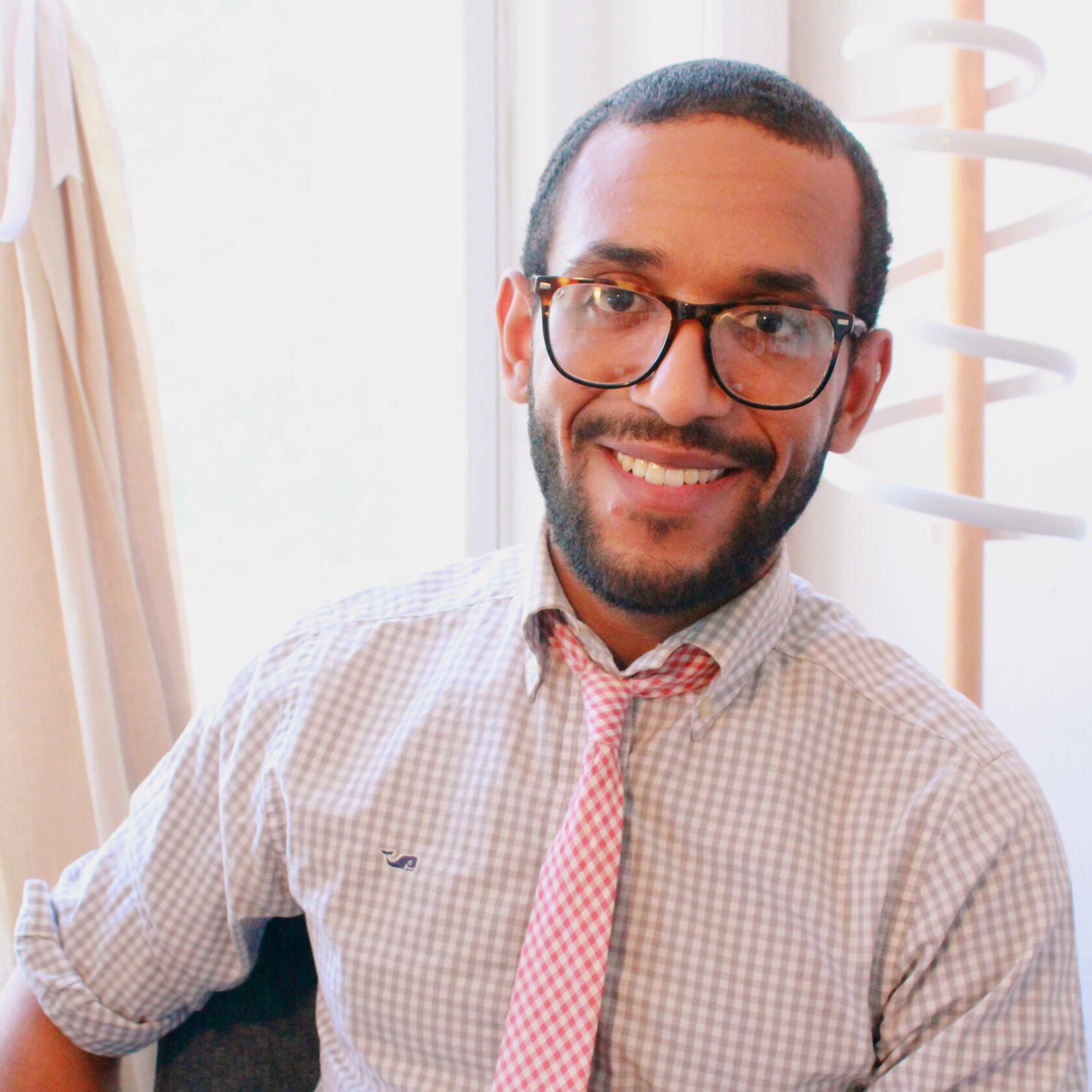
Daniel Aboagye, Master's of Public Policy
The College of William and Mary '18
Special Election
April 11th 2026
Let's Keep in Touch
I Want to Work For You. I Need Your Support.
I'm running for Commissioner because I care deeply about this community. Ive hailed from 6A06 for the past 7 years and in that time I've been frustrated to see that our problems seldom get treated as a priority and are often left unaddressed.I've witnessed first-hand the ways in which poor planning and lack of follow through keep us from making progress toward solving our problems year after year. As a historically Black neighborhood, Rosedale has suffered through a long history of deliberate exclusion and under-investment, the effects of which persist in ways subtle and obvious into the modern day as our issues continue to be forgotten or ignored.There is so much to love about living here, and today our neighbors span the spectrum of diverse backgrounds, abilities, life stages and income levels. This is a strength, and we should strive to be a community that not only lives together, but works together. Our problems might be as many and varied as our view points but together we are more mighty than our problems; we should not feel alone in solving them.We live in a city that has the means to meet our needs.We deserve to be heard and we have a right to access the shared resources and benefits that our taxes have created. For the sake of our families, we have a duty to insist on a system which treats our neighborhood as more than an afterthought. The hardworking people of our SMD deserve to see a return on their patience— I believe progress is possible.We have to be bold enough to expect what others take for granted; safe, clean, inviting streets, bike infrastructure, places for kids to play and adults to gather. We will not make it there until we have the audacity to ask and the tenacity to insist. That starts with a responsive Commissioner who listens to what you have to say.My promise to you is simple: every issue you bring to me, I will seek a solution to. I'm a pragmatist, and I recognize that I will not be able to solve every problem— but I promise not to forget about you. If its important to you, it is important to me and I will track the outcomes of the actions I take until your issue has been resolved or I have exhausted every available avenue and done everything in my power to assist. If I can't fix it, I will tell you why. You deserve to see that effort being made on your behalf, and know that someone heard you. Every issue, no matter how small, I will pursue.Transparent. Accountable. Accessible. Your Commissioner should work for you. Success should be measurable.I will publish and update my issue tracker in real time so you can follow along and know what progress has been made on your issue, and what is still left to do. I have already begun to compile this list based on issues residents are sharing with me in our conversations on the campaign trail . I'm eager to work with you, and to fight for our community. I hope I win your vote

Down to Earth.
I both live and work in our SMD. 7 years ago I moved into my home on Maryland Avenue and I've since come to love this community.
I'm both a long-term resident and a tenant. I know the impact our housing shortage has on neighbors who do not own their houses, and I will bring to the commission a unique point of view on issues that affect renters— residents who are not represented by the current composition of our commission.
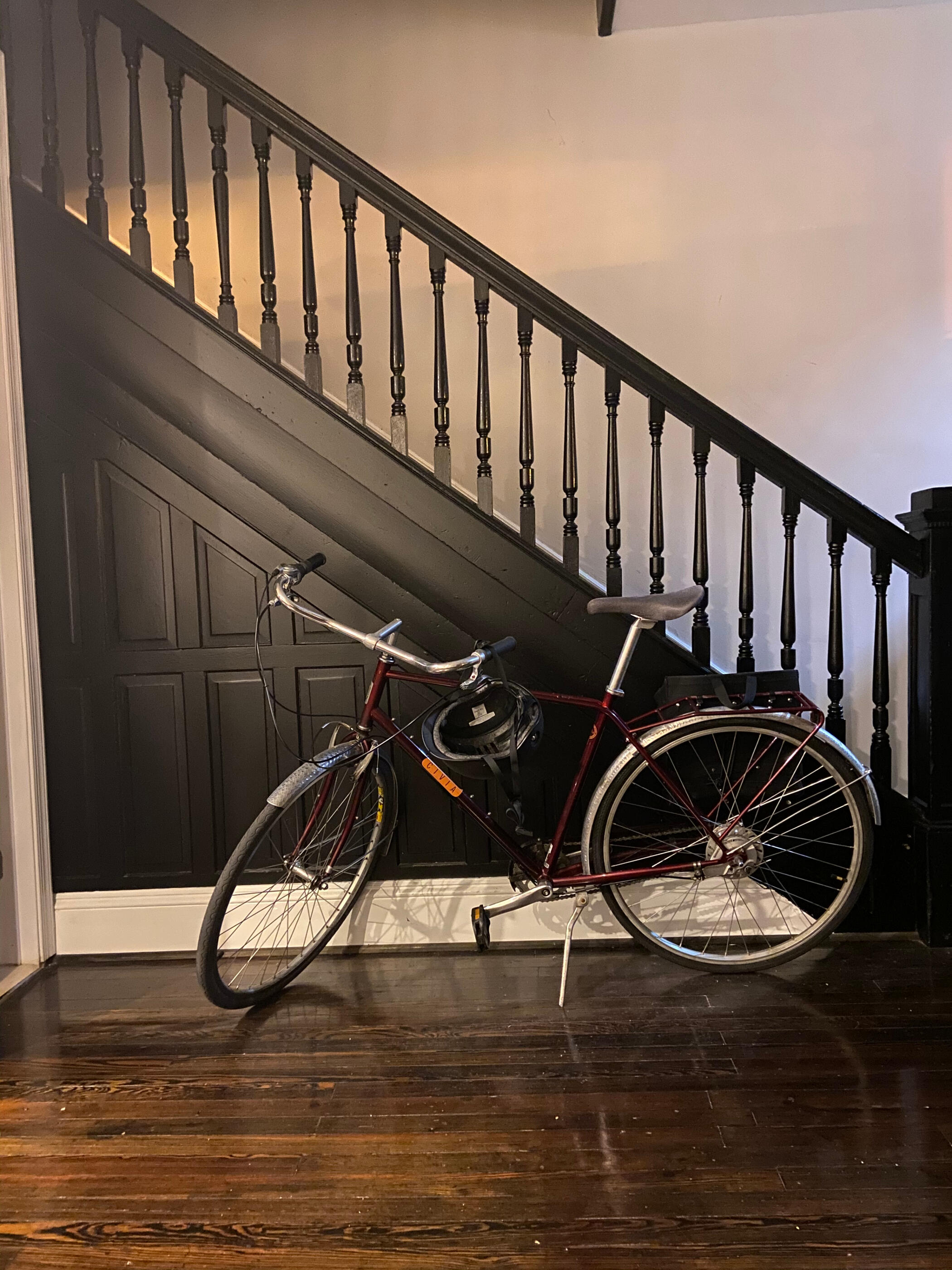
Biking, walking and riding the metro are things I do every single day. Access to these healthy, affordable and environmentally friendly options mean I don't need a car. I'm eager to invest resources into alternatives.
By night, I bartend at Transmission, our neighborhood's newest live music venue, and a small and minority owned business.
Up to the Task.
Master's of Public Policy (MPP)
the College of William and MaryExperienced Data Scientist
Evidence-based, outcome-driven approach to solving problems in the public sector.Professional Consultant
Grant Thornton, Capital One, Amazon Web Services, Infinitive
My Priorities
What can I do to make a difference for you?
Here's what I believe
Our neighborhood should be cared for I will push DPW to reduce missed trash pick-ups, increase the frequency of agency-facilitated street cleaning and ask that they install new public cans in litter prone areas. I will ask DOH for active and ongoing rodent abatement in our public spaces.
Our public spaces should be open and engaging. Parks, sidewalks, greenspace and other public spaces shouldn't be arbitrarily locked away, blocked off or lacking in the kind of upgrades and amenities that many neighborhoods west of us have enjoyed for years. Things like playgrounds, park benches, and public art could bring much desired vibrancy to the neighborhood and draw us out of our homes.
Streets should be safe for everyone. Traffic calming measures are most effective when they involve real changes to the built environment. I will push for modifications to our hardscape and street design that slow drivers down. I am eager to allocate more of our right of way to bicyclists and pedestrians, and hope to create a less car-dependent community. While I am fortunate enough not to need a car to get around, I understand why some residents do. I can sympathize with the difficulties that come along with car ownership when off-street parking is not feasible. I believe that we can have sufficient parking and modern bike infrastructure, but if trade-offs must be made I am willing to trade a few parking spaces for the neighborhood to have protected bike lanes and state of the art safety amenities. the Washington Area Bicyclist Association (WABA) has expressed support for my candidacy. I am pro-Waymo, and believe that Councilmember Allen should work to resolve the remaining roadblocks to autonomous vehicles operating on our roads, a technology already shown to save lives. I oppose the closing of the DC Streetcar and would urge DDOT to continue to make sustantive changes to the way people move up and down the H street corridor that go beyond bus routes
Agencies should be responsive. Residents are often left to wait for weeks or months while agencies show little urgency and drag their feet. Trash pick-ups are frequently missed, streets and alleyways go unswept, and permitting and regulatory officials are too often asleep at the wheel. While this may seem like par for the course in dealing with bureaucracy, it doesn't have to be. I will leverage the "great weight" the DC government affords to our ANC to ensure that agencies address everything from simple inquires to urgent needs effectively and efficiently. If you're not happy, they'll hear from me.
Houses should be homes. I believe that housing is affordable where it is abundant— I will support efforts to invest in our community with a flexible approach to zoning that encourages the construction of new market-rate units. I will also push the city to enforce the Short Term Rental Regulation Act of 2018 consistently so that newly built units are not diverted for use as Airbnb lodging. Residential housing shouldn't be converted to commercial use without our community's consent.
I both live and work in our single member district (SMD) 6A06.
I've called this community home for the past 7 years, and I've come to fall in love with our neighborhood, in part because of its many dichotomies. Young and old, black and white, native and newcomer— this space is shared by such a diverse collection of neighbors. I have often find myself bridging the gap between these perspectives, I'm able to relate to both points of view having personal experiences with each that better equip me to find common ground.
Some nights you can find me working behind the bar at Transmission, a newly minted music venue founded right here in our SMD, and a small and minority owned business. I recognize the need to create a regulatory environment that allows businesses to thrive. This unique viewpoint allows me to understand the frustrations of negotiating a settlement agreement with the ANC from the perspective of a fledgling business. I also know as a neighbor why it is so important to bring businesses to the table to start that discussion.
I walk to work, bike where I can, and take public transportation to get around the city.
I rent my home together with a group of wonderful friends. We're fortunate to have built a great relationship with our landlord over the years. We plan to stay long-term. I am a strong proponent of tenants rights and I am keenly aware of the need for rental housing offered by ethical licensed housing providers are critical to keeping our neighborhood affordable and accessible to people of varying income levels r community— this is an issue I can speak to first hand

I will push DPW to reduce missed trash pick-ups, increase the frequency of agency-facilitated street cleaning and ask that they install new public cans in litter prone areas.
I will ask DOH for active and ongoing rodent abatement in our public spaces.
Illegal dumping, littering and blighted or vacant properties make our streets feel unclean, uncared for, and unwelcoming. The responsibility for dealing with these issues in recent years has largely fallen to us as individual residents. The fatigue we all feel in fighting the tide of trash that washes up in our yards and lines our streets is real; I'm tired of it too. The public sector has the resources to solve this problem. We need an advocate who will demand that the city do its part
We deserve a clean neighborhood
The absence of these kinds of useful, beautiful, or interesting features in our public spaces is conspicuous, but not mysterious. This is a historical and racial injustice that we have the opportunity to rectify and its our responsibility to reflect on. the public has a right to occupy these shared spaces within which we find one another. I support the provision of inclusive improvements and investments to create spaces worth gathering in. As a long-term vision I call on the city to unfence the arboretum and rebuild the Maryland Avenue gate, granting access to the largest natural green space in North East to the neighborhoods that surround it.
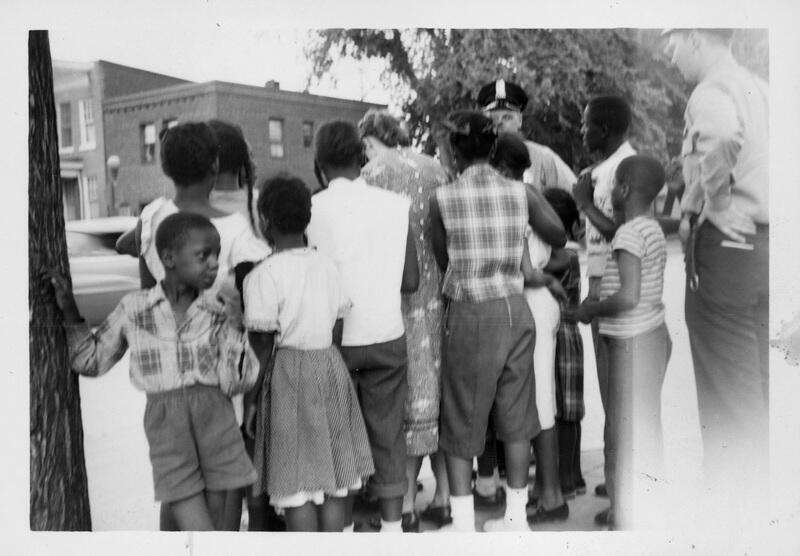
We are not the first generation of Rosedale residents to wrestle with questions of racial equity and inclusion. This neighborhood has long been a battleground in the decades long struggle to desgregate Washington— an effort which began in the 1950s and persists even into the present day. I believe the onus is still on us to create an inclusive and integrated community. That aspiration is only attainable however if we are willing to have courageous and candid conversations about how we got here and where we stand.A staggering number of our modern day issues big and small trace back in some form or fashion to the lines physical and visible left behind in wake of the American apartheid. In our community these lines come into particularly dramatic relief because we exist along one of the most prominent edges of one. By this I'm referring to that demographic discontinuity for which we have created a number of euphemisms (East of the River, Wards 7 & 8). The color line. An uncomfortably detectable relic of the our city's segregated history that has shifted throughout the years, further and further east, giving up ground to the often lamented though difficult to define spectre we call gentrification. And at the present moment in history, that line has finally arrived at Rosedale, settling along 15th street if our redrawn Ward boundaries are to be believed. It brings with it all the tension and conflict that inequity merits, and in my opinion it also presents us with an opportunity.Even in the modern day, DC consistently ranks among the most segregated cities in the country— this condition is not a coincidence. The social divisions that defined the Jim Crow era were enforced upon communities of color and others alike by political decisions (ordinances, covenants and laws) most of which were hashed out at the local level, by authorities equivalent to a present day ANC. It is this legacy of those choices that we inherit as a community, and it is only by looking back that it becomes clear how we got here.I believe that our collective sense of direction must be predicated on our capacity for reflection, and though the should endeavor torrneighborhoods were Rosedale and the surrounding area east of Stanton Park were home to a large African-American community that built institutions, churches, and civic networks despite being cut off from many of the resources enjoyed in other parts of the city. The legacy of segregation in Washington meant that public amenities, parks, and recreation facilities were often distributed unevenly, leaving Black neighborhoods with fewer investments and fewer opportunities.One of the clearest examples occurred during the civil-rights era struggle over the Rosedale community pool. In the 1950s and early 1960s, Black residents fought for equal access to recreational facilities that had historically excluded them or failed to serve their neighborhoods. The originally whites-only Rosedale pool and playground was not accessible to the residents of the surrounding neighborhood which was at the time overwhelmingly Black. Children at the time were forced to walk across Benning road to visit Black playgrounds, while the more desirable facilities right next to their homes were fenced-in and seldom used. became part of a broader movement across Washington to dismantle segregated public facilities following the Supreme Court’s decision in District of Columbia v. John R. Thompson Co. (1953), which struck down enforcement of segregation in public accommodations. Community leaders in Rosedale demanded that city officials treat their neighborhood with the same dignity and investment afforded elsewhere, linking the fight for something as simple as a neighborhood pool and playground to the larger civil-rights struggle for equal citizenship. They fought and they won.That history matters today. The inequities that shaped Rosedale—uneven public investment, displacement pressures, and decisions made without meaningful community input—did not disappear overnight. They echo in present-day debates about development, public space, and who gets to shape the future of the neighborhood.My candidacy is rooted in that history. As someone who lives here and believes deeply in the civic tradition that residents of Rosedale have built, I see the ANC as a place where the voices of longtime residents and historically marginalized communities must continue to be heard. The same spirit of local advocacy that once pushed the city to recognize the rights and dignity of Rosedale’s Black community should guide our work today: we must demand fair investment, and open access to our public spaces for the residents who live here to